A NASCAR Craftsman Truck Series deu início ao Chase em grande estilo no Bristol Motor Speedway. A primeira corrida da fase decisiva do campeonato reuniu disputas intensas, problemas mecânicos, estratégias diferentes e uma grande surpresa na liderança.
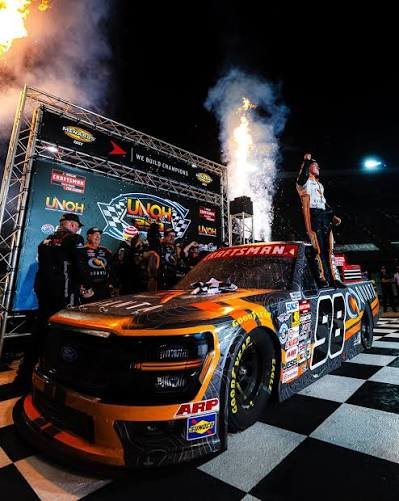
No fim das 250 voltas, Jake Garcia conquistou a primeira vitória de sua carreira na Truck Series, enquanto alguns dos principais candidatos ao título tiveram uma noite complicada. O resultado deixou a disputa pelo campeonato ainda mais aberta para as próximas etapas.
Jake Garcia conquista a primeira vitória na Truck Series
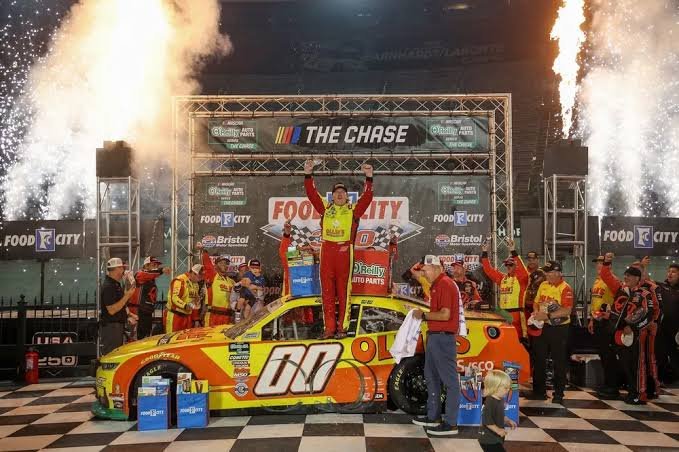
Jake Garcia foi o grande nome da noite em Bristol.
O piloto da ThorSport Racing largou da 12ª posição e precisou avançar pelo pelotão ao longo da corrida. Com um caminhão competitivo e uma boa estratégia, Garcia passou a disputar diretamente a liderança na parte final da prova.
O piloto liderou 104 das 250 voltas e assumiu definitivamente o controle da corrida depois de ultrapassar Stewart Friesen na volta 230.
A partir daquele momento, Garcia conseguiu administrar a vantagem até a bandeirada e cruzou a linha de chegada em primeiro lugar, conquistando sua primeira vitória na NASCAR Craftsman Truck Series.
Além do significado pessoal para o piloto, o resultado também representou um momento importante para a ThorSport Racing, que voltou a vencer depois de um longo período sem triunfos na categoria.
Garcia também mostrou uma característica importante em Bristol: não basta ter um caminhão rápido. É preciso conseguir sobreviver aos diferentes momentos da corrida e estar na posição certa quando a disputa chega às últimas voltas.
Bayley Currey surpreende e termina em segundo
A segunda posição ficou com Bayley Currey, em um dos resultados mais surpreendentes da noite.
Currey fazia sua primeira participação na Truck Series em 2026 e conseguiu transformar uma largada em 17º lugar em um resultado de destaque.
A corrida teve diferentes momentos de estratégia e várias mudanças no pelotão, e Currey soube aproveitar as oportunidades que apareceram durante as 250 voltas.
O segundo lugar também mostra como Bristol pode alterar completamente a ordem esperada de uma corrida. Enquanto alguns dos favoritos ao título enfrentavam problemas, pilotos que estavam fora da disputa direta pelo campeonato conseguiram avançar no pelotão.
Stewart Friesen completa o pódio
Stewart Friesen terminou a corrida na terceira posição.
O piloto chegou a assumir a liderança durante a parte final da prova e parecia ter condições de lutar pela vitória. Na relargada da volta 220, Friesen passou para a frente, mas Garcia conseguiu encontrar espaço para fazer a ultrapassagem dez voltas depois.
Friesen ainda perdeu a segunda posição para Currey nas voltas finais, mas conseguiu garantir um importante terceiro lugar.
Dentro do contexto do Chase, o resultado foi significativo porque ele conseguiu atravessar uma das pistas mais difíceis do calendário sem sofrer o mesmo tipo de prejuízo enfrentado por alguns de seus principais adversários.
Layne Riggs vive uma corrida de extremos
A história mais curiosa da noite talvez tenha sido a de Layne Riggs.
O piloto começou o Chase como líder do campeonato e largou da pole position em Bristol. Durante a primeira metade da corrida, Riggs parecia ter o caminhão dominante.
Ele venceu as duas primeiras etapas e liderou as primeiras 135 voltas da prova.
Tudo indicava uma abertura perfeita para o líder do campeonato.
Mas a situação mudou completamente depois da segunda etapa.
Após uma parada nos boxes, Riggs percebeu que havia um problema com a roda traseira direita. O piloto precisou retornar aos pits e perdeu duas voltas para os líderes.
A situação ainda piorou posteriormente, quando houve contato com o caminhão de Nick Leitz.
O resultado final foi apenas a 32ª posição, 16 voltas atrás do vencedor.
É um contraste enorme: o piloto que dominou boa parte da corrida terminou praticamente no fim do pelotão.
Mesmo com o problema, Riggs continua líder
Apesar do resultado negativo, Riggs conseguiu manter a liderança do Chase.
Esse é um dos pontos mais interessantes do sistema de pontuação: os pontos conquistados nas etapas iniciais da corrida ajudaram a limitar o prejuízo de uma prova que terminou de forma muito ruim.
Riggs venceu as duas primeiras etapas e acumulou pontos importantes antes dos problemas.
Depois de Bristol, ele permanece na liderança, com Kaden Honeycutt apenas três pontos atrás.
Ou seja, apesar do desastre no resultado final, o campeonato ainda está completamente aberto.
Kaden Honeycutt aproveita a oportunidade
Enquanto Riggs enfrentava problemas, Kaden Honeycutt conseguiu sair de Bristol com um resultado muito mais consistente.
O piloto do No. 11 terminou em oitavo e conseguiu se recuperar de um problema de roda durante a prova.
Honeycutt precisou fazer uma parada não programada durante uma bandeira amarela, mas conseguiu retornar ao pelotão e limitar a perda de pontos.
O resultado colocou o piloto apenas três pontos atrás de Riggs na classificação do Chase.
Depois de uma abertura tão caótica, essa pequena diferença pode se tornar importante nas próximas etapas.
Chandler Smith perde terreno
Para Chandler Smith, Bristol foi uma noite difícil.
O piloto entrou no Chase entre os principais candidatos ao título, mas uma penalidade por excesso de velocidade nos boxes durante a segunda etapa complicou sua corrida.
Mais tarde, Smith ainda enfrentou um problema de pressão em um dos pneus.
O resultado foi um 24º lugar, deixando o piloto 30 pontos atrás de Riggs na classificação do campeonato.
Em um Chase curto, perder pontos dessa maneira pode aumentar a pressão nas próximas corridas, especialmente porque cada etapa representa uma oportunidade limitada de recuperação.
Christian Eckes também deixa Bristol com prejuízo
Outro piloto que teve uma noite complicada foi Christian Eckes.
O piloto sofreu danos na parte dianteira de seu caminhão ainda durante a primeira parte da corrida e não conseguiu recuperar o terreno perdido.
Eckes terminou em 30º lugar e saiu de Bristol 58 pontos atrás da liderança do Chase.
O resultado representa um dos maiores prejuízos entre os principais candidatos ao campeonato depois da primeira corrida da fase decisiva.
Ainda existe muito campeonato pela frente, mas o piloto terá de buscar resultados consistentes nas próximas etapas para diminuir essa diferença.
Tristan McKee faz história em Bristol
Entre os destaques da corrida também esteve Tristan McKee.
Aos 16 anos, o piloto terminou na quinta posição e estabeleceu um novo marco na história da Truck Series.
O resultado transformou McKee no piloto mais jovem a conquistar um Top 5 na categoria.
Em uma corrida em que diversos candidatos ao título enfrentaram dificuldades, McKee conseguiu aproveitar as oportunidades e transformar uma noite difícil para muitos adversários em um dos melhores resultados de sua carreira.
Bristol mostra a importância da execução
A abertura do Chase deixou uma mensagem clara: ter o caminhão mais rápido não garante um bom resultado.
Layne Riggs é o principal exemplo.
O piloto dominou as primeiras 135 voltas, venceu as duas primeiras etapas e parecia estar no caminho de uma vitória importante para abrir o Chase.
Mas um problema de roda, seguido por contato e perda de voltas, transformou uma corrida dominante em um 32º lugar.
Ao mesmo tempo, Jake Garcia conseguiu manter o foco durante diferentes momentos da prova e estava na frente quando a corrida realmente precisava ser decidida.
Em Bristol, execução, estratégia e confiabilidade tiveram um peso enorme.
Estratégia e boxes fizeram diferença
As características do Bristol Motor Speedway também aumentaram a importância das decisões tomadas pelas equipes.
A pista curta e o ritmo intenso deixam pouco espaço para erros. Uma parada adicional pode significar perda de várias posições, enquanto um problema mecânico pode colocar um piloto a várias voltas dos líderes.
O caso de Riggs mostra exatamente isso.
O líder do campeonato tinha velocidade suficiente para vencer, mas um problema durante a corrida alterou completamente sua trajetória.
Honeycutt, por outro lado, também enfrentou dificuldades, mas conseguiu minimizar o prejuízo e terminar entre os dez primeiros.
Essa capacidade de limitar os danos pode ser tão importante quanto vencer uma corrida durante o Chase.
O que Bristol muda no campeonato?
A primeira etapa do Chase não definiu o campeonato, mas mudou a situação de vários pilotos.
Layne Riggs continua na liderança, mas agora tem Kaden Honeycutt apenas três pontos atrás.
Chandler Smith aparece 30 pontos atrás, enquanto Christian Eckes tem um déficit maior depois do resultado em Bristol.
O cenário mostra como uma única corrida pode alterar rapidamente a classificação.
Riggs chegou a Bristol como líder e saiu da pista ainda na primeira posição, mas sua margem diminuiu consideravelmente.
Honeycutt, por sua vez, transformou uma corrida complicada em uma oportunidade para se aproximar da liderança.
Para Smith e Eckes, a situação exige uma reação nas próximas etapas.
Kansas será o próximo capítulo
Depois de Bristol, a Truck Series segue para Kansas Speedway, onde acontece a segunda corrida do Chase.
A etapa será uma oportunidade para os pilotos que tiveram problemas em Bristol recuperarem parte dos pontos perdidos.
Também será importante observar se Riggs conseguirá transformar novamente sua velocidade em um resultado forte ou se Honeycutt conseguirá assumir a liderança do campeonato.
Depois de uma abertura tão movimentada, Kansas chega com uma disputa ainda bastante aberta.
Bristol deixa o Chase ainda mais interessante
A primeira corrida do Chase entregou exatamente o que se espera de uma fase decisiva: grandes diferenças entre desempenho e resultado, estratégias diferentes e mudanças importantes na classificação.
Jake Garcia saiu como o grande vencedor da noite, conquistando a primeira vitória de sua carreira.
Bayley Currey e Stewart Friesen completaram o pódio, enquanto Tristan McKee chamou atenção com um resultado histórico.
Entre os candidatos ao título, entretanto, a história foi diferente.
Layne Riggs teve um dos caminhões mais fortes da noite, mas terminou apenas em 32º. Kaden Honeycutt aproveitou a oportunidade para se aproximar da liderança, enquanto Chandler Smith e Christian Eckes perderam terreno.
Bristol não decidiu o campeonato.
Mas deixou claro que, no Chase, uma corrida pode mudar completamente a dinâmica da disputa.
NASCAR Truck Series: Bristol Opens the Chase with First Career Win and Major Twists
The NASCAR Craftsman Truck Series opened the Chase at Bristol Motor Speedway with exactly the kind of race expected from the decisive stage of the championship. The first playoff race featured intense battles, mechanical issues, different strategies and a major surprise at the front of the field.
After 250 laps, Jake Garcia claimed the first victory of his Truck Series career, while several of the main championship contenders experienced difficult nights. The result left the title fight even more open heading into the next rounds.
Jake Garcia finally gets his first Truck Series win
Jake Garcia was the main name of the night at Bristol.
The ThorSport Racing driver started 12th and had to work his way through the field throughout the race. With a competitive truck and a strong strategy, Garcia eventually became a contender for the lead during the final stages.
Garcia led 104 of the 250 laps and took definitive control of the race after passing Stewart Friesen on Lap 230.
From that point on, Garcia managed his advantage until the checkered flag, earning his first career NASCAR Craftsman Truck Series victory.
The result was also significant for ThorSport Racing, which returned to Victory Lane after a lengthy winless period in the series.
More importantly, Garcia demonstrated one of the key characteristics required at Bristol: having a fast truck is not enough. A driver also needs to survive the different stages of the race and be in the right position when the final battle begins.
Bayley Currey delivers a surprise second-place finish
Bayley Currey finished second in one of the night’s biggest surprises.
Currey was making his first Truck Series start of the 2026 season and turned a 17th-place starting position into a remarkable result.
The race featured several strategic changes and multiple shifts throughout the field, and Currey was able to take advantage of the opportunities that developed during the 250 laps.
His second-place finish also showed how quickly Bristol can change the expected order of a race. While several championship contenders struggled, drivers outside the direct title fight were able to move forward and produce strong results.
Stewart Friesen completes the podium
Stewart Friesen finished third.
The driver briefly took control of the race during the closing stages and appeared to have a chance to fight for the victory. On the restart with 30 laps remaining, Friesen moved into the lead, but Garcia found an opportunity to make the pass ten laps later.
Friesen eventually lost second place to Currey in the closing laps but secured an important podium finish.
Within the context of the Chase, the result was significant because he managed to navigate one of the most difficult tracks on the schedule without suffering the kind of major setback experienced by some of his championship rivals.
Layne Riggs experiences a race of extremes
One of the most dramatic stories of the night involved Layne Riggs.
The driver entered the Chase as the championship leader and started from pole position at Bristol. During the first half of the race, Riggs appeared to have the dominant truck.
He won both of the opening stages and led the first 135 laps.
Everything pointed toward a perfect start to the Chase for the championship leader.
But the situation changed completely after the second stage.
Following a pit stop, Riggs reported a problem with the right-rear wheel. He had to return to pit road and fell two laps behind the leaders.
The situation became even more difficult later in the race when he made contact with Nick Leitz’s truck.
Riggs ultimately finished 32nd, 16 laps behind the winner.
It was a remarkable contrast: the driver who had dominated much of the race ended the night near the bottom of the field.
Riggs remains the championship leader
Despite the poor finishing position, Riggs managed to maintain the Chase lead.
This is one of the most interesting aspects of the points system. The points he collected during the opening stages helped limit the damage from a race that eventually went badly wrong.
Riggs won both stages and accumulated valuable points before his problems began.
After Bristol, he remains at the top of the Chase standings, with Kaden Honeycutt just three points behind.
That means the championship remains wide open after the opening playoff race.
Kaden Honeycutt takes advantage of the opportunity
While Riggs struggled, Kaden Honeycutt managed to leave Bristol with a much stronger result.
The No. 11 driver finished eighth and recovered from a wheel-related issue during the race.
Honeycutt made an unscheduled pit stop during a caution period but was able to return to the field and limit the damage.
The result moved him to within just three points of Riggs in the Chase standings.
After such a chaotic opening race, that small gap could become extremely important in the rounds ahead.
Chandler Smith loses ground
For Chandler Smith, Bristol was a difficult night.
The driver entered the Chase as one of the leading championship contenders, but a speeding penalty on pit road during the second stage complicated his race.
Smith later also dealt with a tire-pressure issue.
He finished 24th and left Bristol 30 points behind Riggs in the championship standings.
In a short Chase, losing that amount of ground can create additional pressure in the next races, especially because there are only a limited number of opportunities to recover points.
Christian Eckes also suffers a major setback
Another driver who had a difficult night was Christian Eckes.
The driver suffered front-end damage to his truck early in the race and was unable to recover the lost ground.
Eckes finished 30th and left Bristol 58 points behind the championship lead.
It was one of the biggest setbacks among the main title contenders after the opening Chase race.
There is still plenty of championship left, but Eckes will need a series of strong results in the upcoming rounds to close the gap.
Tristan McKee makes history at Bristol
One of the other standout stories of the race was Tristan McKee.
At just 16 years old, McKee finished fifth and established a new milestone in Truck Series history.
The result made McKee the youngest driver ever to score a Top 5 finish in the series.
In a race where several championship contenders struggled, McKee was able to take advantage of the opportunities in front of him and turn a difficult night for many of his rivals into one of the most significant results of his young career.
Bristol highlights the importance of execution
The opening Chase race delivered a clear message: having the fastest truck does not guarantee a strong finish.
Layne Riggs is the clearest example.
The championship leader dominated the opening 135 laps, won both stages and appeared to be on his way to an important victory to begin the Chase.
But a wheel problem, followed by contact and lost laps, turned a dominant performance into a 32nd-place finish.
At the same time, Jake Garcia managed to remain competitive through the different phases of the race and was in front when the victory needed to be decided.
At Bristol, execution, strategy and reliability played a major role.
Pit strategy made a major difference
The characteristics of Bristol Motor Speedway also increased the importance of decisions made on pit road.
The short track and intense pace leave very little room for mistakes. An additional pit stop can cost several positions, while a mechanical issue can put a driver multiple laps behind the leaders.
Riggs’ situation demonstrated this perfectly.
The championship leader had enough speed to win the race, but a problem during the event completely changed the outcome.
Honeycutt also faced difficulties but was able to minimize the damage and finish inside the top ten.
That ability to limit losses can be just as important as winning a race during the Chase.
What does Bristol mean for the championship?
The first Chase race did not decide the championship, but it significantly changed the situation for several drivers.
Layne Riggs remains the championship leader, but Kaden Honeycutt is now only three points behind.
Chandler Smith is 30 points behind, while Christian Eckes faces a larger deficit after his Bristol result.
The situation demonstrates how quickly one race can change the standings.
Riggs arrived at Bristol as the championship leader and left the track still in first place, but his advantage was significantly reduced.
Honeycutt, meanwhile, turned a difficult race into an opportunity to move closer to the lead.
For Smith and Eckes, the next rounds will be important opportunities to recover ground.
Kansas is next
After Bristol, the Truck Series heads to Kansas Speedway for the second race of the Chase.
The event will provide an opportunity for the drivers who struggled at Bristol to recover some of the points they lost.
It will also be important to see whether Riggs can once again turn his speed into a strong finishing position, or whether Honeycutt can move into the championship lead.
After such a dramatic opening race, Kansas arrives with the title fight still wide open.
Bristol makes the Chase even more interesting
The opening Chase race delivered exactly what is expected from a decisive stage of the season: major differences between performance and finishing position, different strategies and important changes in the championship standings.
Jake Garcia left Bristol as the biggest winner of the night, claiming the first victory of his career.
Bayley Currey and Stewart Friesen completed the podium, while Tristan McKee attracted attention with a historic result.
Among the championship contenders, however, the story was very different.
Layne Riggs had one of the strongest trucks of the night but finished only 32nd. Kaden Honeycutt took advantage of the opportunity to close in on the championship lead, while Chandler Smith and Christian Eckes lost valuable ground.
Bristol did not decide the championship. But it made one thing clear: in the Chase, a single race can completely change the dynamics of the title fight.
Por: Ana Elisa
@ana_arquiteturaevelocidade
Tradução: Autoral
Informações/dados: Nascar