Piloto da Hendrick Motorsports liderou 362 voltas, conquistou as duas etapas e encerrou um jejum de 35 corridas. A prova também ficou marcada por incidentes envolvendo Carson Hocevar, Austin Cindric e Ryan Blaney.
A NASCAR Cup Series chegou ao Martinsville Speedway para a penúltima etapa do Chase de 2026, em uma corrida que prometia definir os últimos candidatos ao título antes da decisão em Homestead-Miami. Em um dos circuitos mais tradicionais do calendário, estratégia, desgaste dos pneus e disputas por espaço foram determinantes ao longo das 500 voltas.
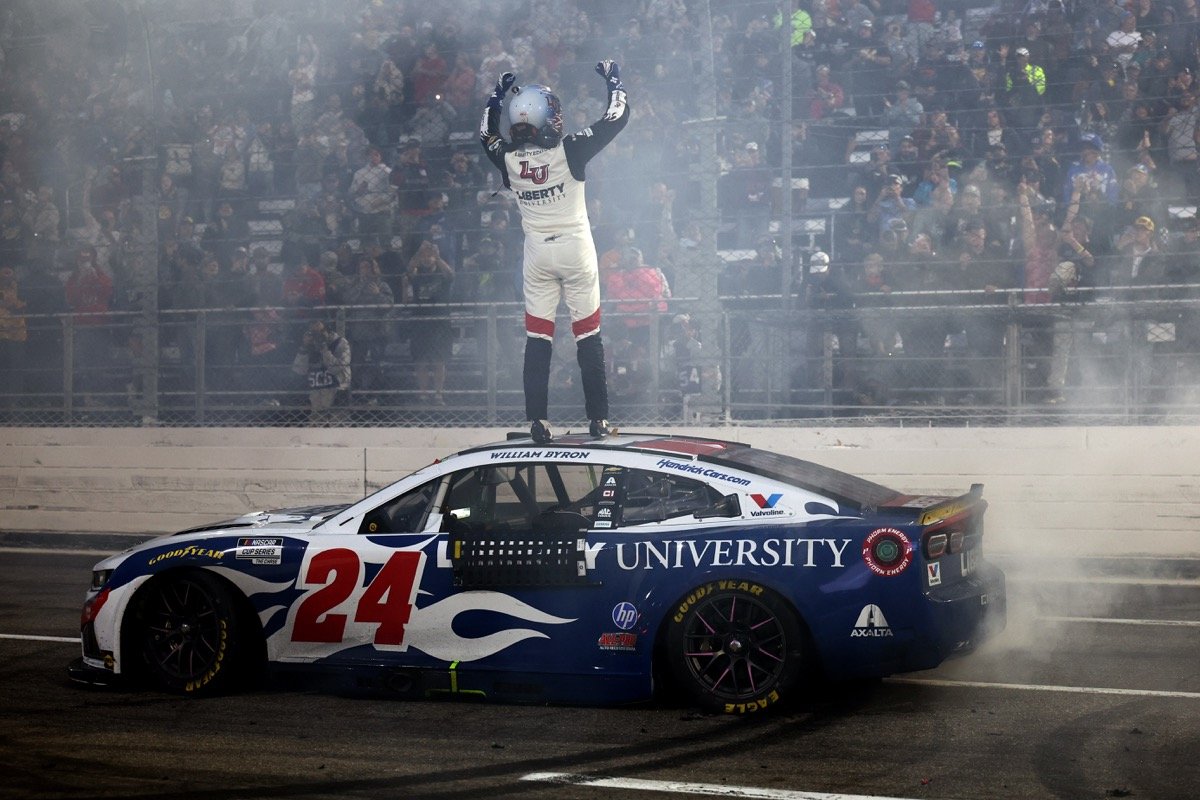
William Byron, da Hendrick Motorsports, foi o grande protagonista da Xfinity 500. O piloto do Chevrolet #24 controlou boa parte da prova, venceu os dois estágios e confirmou sua primeira vitória da temporada. Entretanto, além do domínio de Byron, Martinsville também foi palco de disputas agressivas e episódios que levantaram questionamentos sobre o comportamento dos pilotos e os limites do contato físico nas pistas.
William Byron encerra jejum com atuação dominante
William Byron chegou a Martinsville buscando sua primeira vitória em 2026 e encontrou uma oportunidade importante para recuperar o protagonismo na reta final do campeonato.
O piloto da Hendrick Motorsports começou a corrida entre os principais competidores e rapidamente demonstrou que tinha ritmo para disputar a liderança. Ao longo do primeiro estágio, Byron conseguiu administrar o desgaste dos pneus e manter a posição diante de adversários que apostavam em estratégias diferentes de pit stop.
A vitória no Stage 1 confirmou o bom desempenho do Chevrolet #24. Byron também conquistou o segundo estágio, consolidando uma atuação consistente e colocando pressão sobre os concorrentes do Chase.
Na parte final da corrida, o piloto voltou a assumir a liderança após as paradas nos boxes e conseguiu construir uma vantagem importante sobre Chase Elliott.
Byron cruzou a linha de chegada com 2,049 segundos de vantagem sobre o companheiro de equipe, garantindo sua 17ª vitória na NASCAR Cup Series e a quarta em Martinsville.
O resultado encerrou uma sequência de 35 corridas sem vitórias, que havia começado justamente na etapa de Martinsville do ano anterior.
Além disso, Byron estabeleceu um novo recorde pessoal de voltas lideradas em uma corrida da Cup Series, completando 362 das 500 voltas na primeira posição.
A vitória também representou um resultado importante para a Hendrick Motorsports, que terminou a prova com Byron e Chase Elliott nas duas primeiras posições.
Chase Elliott e Ty Gibbs completam o pódio
Chase Elliott terminou Martinsville na segunda posição, garantindo mais um resultado consistente para a Hendrick Motorsports.
O piloto do Chevrolet #9 conseguiu acompanhar o ritmo de Byron durante parte da prova, mas não encontrou uma oportunidade suficiente para assumir a liderança nas voltas finais.
Mesmo sem a vitória, o segundo lugar reforçou a competitividade de Elliott em Martinsville, onde costuma apresentar bons resultados.
Ty Gibbs completou o pódio com o Toyota #54 da Joe Gibbs Racing.
O piloto liderou 44 voltas e permaneceu entre os principais competidores durante boa parte da corrida. Apesar de não conseguir acompanhar o ritmo de Byron e Elliott no final, Gibbs garantiu um resultado importante para sua equipe.
Josh Berry terminou em quarto, enquanto Shane van Gisbergen completou os cinco primeiros.
Denny Hamlin, que havia conquistado a pole position, terminou na sexta posição. O piloto da Joe Gibbs Racing liderou 40 voltas, mas perdeu terreno após um incidente durante a segunda etapa.
Carson Hocevar e Austin Cindric protagonizam um dos episódios mais polêmicos
Um dos momentos mais discutidos da Xfinity 500 aconteceu durante o segundo estágio, quando Carson Hocevar, da Spire Motorsports, se envolveu em uma sequência de contatos com Austin Cindric, da Team Penske.
Os dois pilotos estavam em uma situação complicada na corrida, tentando recuperar posições após perderem voltas para os líderes.
Durante a disputa, Hocevar aparentemente reduziu a velocidade de maneira abrupta em diferentes momentos da reta, provocando contatos com a dianteira do Ford #2 de Cindric.
As imagens da transmissão e das câmeras onboard mostraram uma sequência de frenagens que resultaram em danos significativos no carro da Penske.
O episódio aconteceu em um momento em que a NASCAR já havia implementado mudanças no pacote técnico dos circuitos curtos. A categoria retirou componentes de reforço e parte da espuma de absorção da dianteira dos carros, buscando reduzir a possibilidade de contatos agressivos sem consequências.
O impacto da disputa foi evidente no Chevrolet #77 e, principalmente, no Ford #2.
Cindric precisou ir aos boxes para reparos, com a equipe removendo partes da dianteira do carro. Posteriormente, o piloto foi levado à garagem, encerrando sua participação na corrida na 36ª posição.
Pelo rádio, Cindric demonstrou irritação com a situação e questionou a NASCAR sobre o comportamento dos pilotos.
O competidor afirmou que os carros estavam sendo utilizados como armas, criticando a sequência de contatos que provocou o fim de sua prova.
Após a corrida, Hocevar foi questionado sobre o episódio e negou que tivesse agido com intenção de provocar o acidente.
O piloto afirmou que Martinsville é um circuito de disputas intensas, no qual os competidores frequentemente tentam movimentar os adversários para conquistar posições.
Hocevar também comentou que, em corridas desse tipo, os pilotos podem tanto receber quanto provocar contatos.
Apesar da explicação, o episódio gerou repercussão e levantou novamente o debate sobre o limite entre uma disputa agressiva e uma atitude que coloca outros competidores em risco.
O incidente foi especialmente significativo porque terminou com o abandono de Cindric, enquanto Hocevar conseguiu continuar na prova e cruzou a linha de chegada na 21ª posição.
Carson Hocevar também provocou uma bandeira amarela durante as paradas
A participação de Hocevar em Martinsville não ficou marcada apenas pelo episódio com Cindric.
Durante o segundo estágio, o piloto também se envolveu em um incidente que provocou uma bandeira amarela em meio às estratégias de pit stop.
Hocevar perdeu o controle do Chevrolet #77 na curva 4 e rodou, interrompendo a sequência de paradas sob bandeira verde.
A situação provocou reações de outros competidores, que questionaram pelo rádio se o incidente havia sido provocado de maneira intencional.
Após a corrida, Hocevar afirmou que estava tentando manter o carro competitivo e que perdeu o controle ao passar por uma área de menor aderência, com desgaste significativo do pneu traseiro direito.
O piloto negou que tivesse provocado o incidente deliberadamente.
A situação reforçou o clima de tensão em Martinsville, especialmente porque a bandeira amarela alterou o andamento das estratégias e afetou pilotos que estavam tentando recuperar posições.
Ryan Blaney também termina prejudicado após contato com Josh Berry
Outro episódio importante aconteceu envolvendo Ryan Blaney e Josh Berry.
Os dois pilotos se envolveram em contatos durante a disputa, e o Ford #12 da Team Penske sofreu danos significativos na dianteira.
Blaney precisou ir à garagem para reparos e terminou a corrida na 35ª posição, 59 voltas atrás do vencedor.
Após o incidente, o piloto demonstrou irritação com a situação e criticou a maneira como Berry conduziu a disputa.
O episódio reforçou a dificuldade de Martinsville, onde os pilotos frequentemente precisam dividir espaço em curvas estreitas e enfrentar contatos durante as relargadas.
Para Blaney, o resultado foi especialmente frustrante porque a corrida representava uma oportunidade importante de manter suas chances de disputar o título.
Denny Hamlin, Christopher Bell e Joey Logano também enfrentam problemas
A corrida também foi complicada para outros candidatos ao campeonato.
Denny Hamlin começou o domingo com a pole position e conseguiu liderar 40 voltas, mas acabou envolvido em um incidente na volta 216.
Christopher Bell e Joey Logano também participaram da sequência de contatos que provocou a bandeira amarela.
Bell terminou na décima posição, enquanto Logano cruzou a linha de chegada em 18º.
O incidente alterou a situação de vários pilotos que estavam tentando recuperar posições e prejudicou o ritmo de alguns dos principais candidatos ao título.
Kyle Larson, por sua vez, enfrentou dificuldades durante a primeira metade da corrida, mas conseguiu terminar na nona posição.
O resultado foi suficiente para manter o piloto da Hendrick Motorsports na liderança do Chase.
Resultado final da NASCAR Cup Series em Martinsville
William Byron venceu a Xfinity 500, seguido por Chase Elliott e Ty Gibbs.
Josh Berry terminou em quarto, enquanto Shane van Gisbergen completou os cinco primeiros.
Denny Hamlin ficou em sexto, seguido por Austin Dillon e Bubba Wallace.
Kyle Larson terminou na nona posição, enquanto Christopher Bell completou o top 10.
Connor Zilisch foi o melhor estreante da prova, terminando na 17ª posição.
A corrida teve seis períodos de bandeira amarela, totalizando 47 voltas sob cautela. Foram registradas 11 mudanças de liderança entre seis pilotos.
Apenas sete carros terminaram na volta do líder, demonstrando o desgaste e as dificuldades enfrentadas durante a prova.
Chase: Kyle Larson chega a Homestead com vantagem de 67 pontos
A etapa de Martinsville definiu os três pilotos que permanecem matematicamente na disputa pelo título de 2026.
Kyle Larson lidera o campeonato com 2.469 pontos.
Christopher Bell aparece na segunda posição, com 2.402 pontos, enquanto Denny Hamlin ocupa o terceiro lugar, com 2.399.
Larson chega à decisão com 67 pontos de vantagem sobre Bell e 70 sobre Hamlin.
Os demais pilotos do Chase foram eliminados matematicamente da disputa pelo título após Martinsville.
A vitória de Byron teve impacto importante na classificação, mas o piloto da Hendrick Motorsports não está mais na disputa pelo campeonato.
Homestead-Miami decide a temporada
A NASCAR Cup Series encerra o Chase de 2026 no Homestead-Miami Speedway, no domingo, 8 de novembro.
Kyle Larson chega à decisão em posição favorável, mas Christopher Bell e Denny Hamlin continuam matematicamente na disputa.
A final será disputada em um circuito que exige equilíbrio entre velocidade, estratégia e gerenciamento dos pneus, especialmente nas curvas longas e nas diferentes linhas de trajetória.
Depois de uma corrida marcada pelo domínio de Byron e por episódios de contato intenso em Martinsville, Homestead será o último capítulo de uma temporada que chega à decisão com três candidatos ao título.
NASCAR Cup Series: William Byron dominates Martinsville and claims his first win of 2026
The Hendrick Motorsports driver led 362 laps, won both stages and ended a 35-race winless streak. The race was also marked by incidents involving Carson Hocevar, Austin Cindric and Ryan Blaney.
The NASCAR Cup Series arrived at Martinsville Speedway for the penultimate round of the 2026 Chase, with the race expected to determine the final championship contenders ahead of the season finale at Homestead-Miami. At one of the most traditional tracks on the calendar, strategy, tire wear and battles for track position played a major role throughout the 500 laps.
William Byron, driving the No. 24 Chevrolet for Hendrick Motorsports, was the main protagonist of the Xfinity 500. Byron controlled much of the race, won both stages and secured his first victory of the season. However, alongside Byron’s dominant performance, Martinsville also featured aggressive battles and incidents that raised questions about driver behavior and the limits of contact on the track.
William Byron ends winless streak with dominant performance
William Byron arrived at Martinsville looking for his first win of 2026 and found an important opportunity to regain momentum late in the championship.
The Hendrick Motorsports driver started among the leading contenders and quickly showed that he had the pace to fight for the lead. Throughout the opening stage, Byron managed tire wear and maintained his position against competitors using different pit-stop strategies.
His Stage 1 victory confirmed the strength of the No. 24 Chevrolet. Byron also won Stage 2, delivering a consistent performance and putting pressure on the other Chase contenders.
In the closing part of the race, Byron returned to the lead after pit stops and built a significant advantage over Chase Elliott.
Byron crossed the finish line 2.049 seconds ahead of his teammate, securing his 17th NASCAR Cup Series victory and his fourth at Martinsville.
The win ended a 35-race winless streak that had started at the same Martinsville event the previous year.
Byron also established a new personal record for laps led in a Cup Series race, completing 362 of the 500 laps in first place.
The result was also important for Hendrick Motorsports, which finished the race with Byron and Chase Elliott in the top two positions.
Chase Elliott and Ty Gibbs complete the podium
Chase Elliott finished Martinsville in second place, delivering another consistent result for Hendrick Motorsports.
The No. 9 Chevrolet driver kept pace with Byron for part of the race but could not find a sufficient opportunity to take the lead in the closing laps.
Despite missing out on the victory, second place reinforced Elliott’s competitiveness at Martinsville, where he has often produced strong results.
Ty Gibbs completed the podium in the No. 54 Toyota for Joe Gibbs Racing.
The driver led 44 laps and remained among the leading contenders for much of the race. Although he could not match Byron and Elliott’s pace at the end, Gibbs secured an important result for his team.
Josh Berry finished fourth, while Shane van Gisbergen completed the top five.
Denny Hamlin, who had secured pole position, finished sixth. The Joe Gibbs Racing driver led 40 laps but lost ground after an incident during the second stage.
Carson Hocevar and Austin Cindric headline one of the race’s biggest controversies
One of the most discussed moments of the Xfinity 500 occurred during Stage 2, when Carson Hocevar of Spire Motorsports became involved in a series of contacts with Austin Cindric of Team Penske.
Both drivers were in a difficult position, trying to recover after losing laps to the leaders.
During their battle, Hocevar appeared to slow abruptly at different points on the straight, causing contact with the front of Cindric’s No. 2 Ford.
Broadcast footage and onboard cameras showed a sequence of braking incidents that resulted in significant damage to the Penske car.
The episode came at a time when NASCAR had already introduced technical changes to its short-track package. The series removed reinforcement components and part of the front bumper foam in an effort to reduce the ability to make aggressive contact without consequences.
The impact of the battle was clear on the No. 77 Chevrolet and, especially, the No. 2 Ford.
Cindric had to return to pit road for repairs, with the team removing parts of the front end. He was later taken to the garage, ending his race in 36th place.
Over the radio, Cindric expressed frustration and questioned NASCAR about the drivers’ behavior.
The Penske driver said cars were being used as weapons, criticizing the sequence of contacts that brought his race to an end.
After the race, Hocevar was asked about the incident and denied that he had intentionally tried to cause the damage.
The driver said Martinsville is a track where racing is intense and competitors frequently try to move one another to gain positions.
Hocevar also explained that in races like this, drivers can both receive and initiate contact.
Despite his explanation, the incident generated considerable attention and renewed the debate about the line between aggressive racing and behavior that puts other competitors at risk.
The incident was particularly significant because Cindric retired, while Hocevar continued and finished the race in 21st place.
Carson Hocevar also triggered a caution during green-flag pit stops
Hocevar’s Martinsville race was not defined solely by the incident with Cindric.
During Stage 2, the driver was also involved in an incident that triggered a caution in the middle of green-flag pit-stop strategies.
Hocevar lost control of the No. 77 Chevrolet in Turn 4 and spun, interrupting the sequence of stops under green.
The situation prompted reactions from other competitors, who questioned over the radio whether the incident had been intentional.
After the race, Hocevar said he was trying to keep the car competitive and lost control while running through an area with less grip, with significant wear on the right-rear tire.
The driver denied deliberately causing the incident.
The situation added to the tension at Martinsville, particularly because the caution changed the strategies and affected drivers trying to recover positions.
Ryan Blaney also suffers after contact with Josh Berry
Another important incident involved Ryan Blaney and Josh Berry.
The two drivers made contact during their battle, and the No. 12 Team Penske Ford suffered significant front-end damage.
Blaney had to go to the garage for repairs and finished the race in 35th, 59 laps behind the winner.
After the incident, the driver expressed frustration and criticized the way Berry handled the battle.
The episode highlighted the challenges of Martinsville, where drivers frequently have to share narrow corners and deal with contact during restarts.
For Blaney, the result was especially frustrating because the race represented an important opportunity to keep his championship hopes alive.
Denny Hamlin, Christopher Bell and Joey Logano also encounter trouble
The race was also difficult for other championship contenders.
Denny Hamlin started Sunday with pole position and led 40 laps, but became involved in an incident on Lap 216.
Christopher Bell and Joey Logano were also part of the sequence of contacts that brought out the caution.
Bell finished tenth, while Logano crossed the finish line in 18th.
The incident changed the situation for several drivers trying to recover positions and disrupted the pace of some of the main championship contenders.
Kyle Larson, meanwhile, struggled during the first half of the race but managed to finish ninth.
The result was enough to keep the Hendrick Motorsports driver at the top of the Chase standings.
NASCAR Cup Series final results at Martinsville
William Byron won the Xfinity 500, followed by Chase Elliott and Ty Gibbs.
Josh Berry finished fourth, while Shane van Gisbergen completed the top five.
Denny Hamlin finished sixth, followed by Austin Dillon and Bubba Wallace.
Kyle Larson finished ninth, while Christopher Bell completed the top 10.
Connor Zilisch was the highest-finishing rookie, placing 17th.
The race featured six caution periods, totaling 47 caution laps. There were 11 lead changes among six drivers.
Only seven cars finished on the lead lap, highlighting the wear and challenges faced throughout the race.
Chase: Kyle Larson heads to Homestead with a 67-point lead
The Martinsville race determined the three drivers who remain mathematically eligible for the 2026 championship.
Kyle Larson leads the standings with 2,469 points.
Christopher Bell is second with 2,402 points, while Denny Hamlin is third with 2,399.
Larson heads into the finale with a 67-point advantage over Bell and a 70-point lead over Hamlin.
The remaining Chase drivers were mathematically eliminated from the championship after Martinsville.
Byron’s victory had a significant impact on the race, but the Hendrick Motorsports driver is no longer eligible for the title.
Homestead-Miami decides the season
The NASCAR Cup Series will conclude the 2026 Chase at Homestead-Miami Speedway on Sunday, November 8.
Kyle Larson arrives in a favorable position, but Christopher Bell and Denny Hamlin remain mathematically in contention.
The finale will take place at a track that demands a balance of speed, strategy and tire management, particularly through its long corners and multiple racing lines.
After a Martinsville race marked by Byron’s dominance and intense contact, Homestead will provide the final chapter of a season heading into its championship decision with three title contenders.
Por: Ana Elisa
@ana_arquiteturaevelocidade
Tradução: Autoral
Informações/dados: Nascar