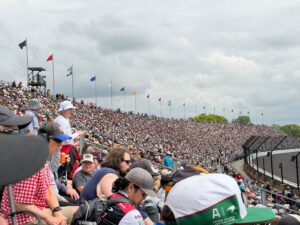
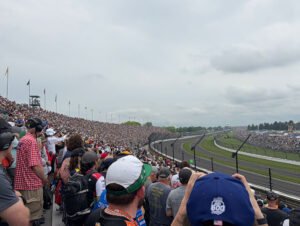
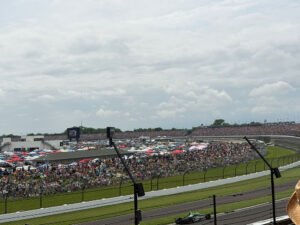
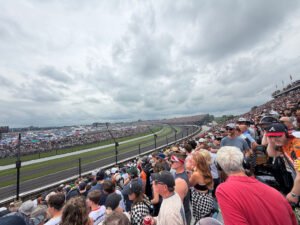
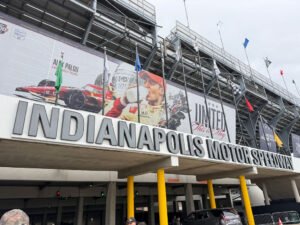
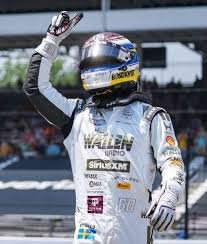
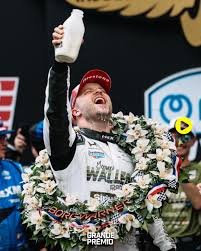
A edição de 2026 da Indianapolis 500 já pode ser considerada uma das mais emocionantes e imprevisíveis da história recente da categoria. Com alternância constante de liderança, estratégias agressivas, acidentes e um desfecho decidido praticamente na linha de chegada, a prova entregou um espetáculo completo no maior palco do automobilismo mundial.
Final dramático marca a vitória de Felix Rosenqvist
A vitória ficou com Felix Rosenqvist, da Meyer Shank Racing, que conquistou seu primeiro triunfo nas 500 Milhas de Indianápolis após uma disputa intensa contra David Malukas, da Penske.
A diferença entre os dois na linha de chegada foi de apenas 0s023, uma das menores margens já registradas na história da prova. O piloto sueco garantiu a vitória com uma ultrapassagem decisiva nas voltas finais, aproveitando o vácuo e o posicionamento ideal após o último restart da corrida.
Estratégia teve papel decisivo
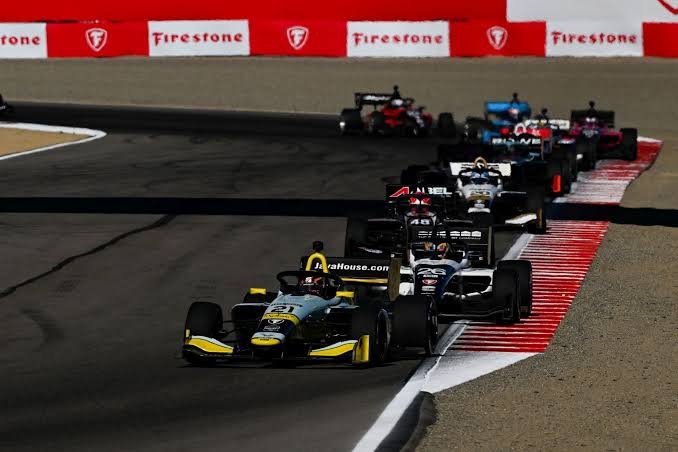
Mais do que velocidade pura, a Indy 500 de 2026 foi definida pela capacidade das equipes em interpretar a corrida. Durante as 200 voltas, diversos pilotos se alternaram na liderança, incluindo Álex Palou, Scott Dixon, Pato O’Ward e o próprio Malukas.
As múltiplas bandeiras amarelas e neutralizações mudaram completamente o cenário estratégico da prova, obrigando equipes e pilotos a recalcularem constantemente suas estratégias de pit stop e consumo de combustível.
Em vários momentos, a leitura da corrida foi tão importante quanto o desempenho dentro da pista.
Voltas finais transformaram corrida em sobrevivência
O trecho final da prova foi marcado pelo caos. Uma sequência de acidentes e bandeiras amarelas eliminou as vantagens construídas anteriormente e recolocou os principais candidatos à vitória em disputa direta nas últimas voltas.
David Malukas chegou a assumir a liderança e parecia encaminhar a vitória para a Penske, mas o intenso tráfego e a dinâmica das relargadas abriram espaço para Rosenqvist reagir no momento decisivo.
Com uma manobra precisa e extremamente agressiva nos metros finais, o sueco conseguiu completar a ultrapassagem que definiu a corrida.
Restarts e efeito do vácuo decidiram o resultado
Como tradicionalmente acontece em Indianápolis, os restarts tiveram influência direta no desfecho da prova. O pelotão compacto nas voltas finais transformou a disputa em uma batalha estratégica de posicionamento e aproveitamento do vácuo.
Qualquer erro mínimo representava perda imediata de posições. Rosenqvist soube aproveitar perfeitamente o momento para atacar, enquanto Malukas perdeu velocidade no setor final, permitindo a manobra decisiva.
Favoritos ficaram pelo caminho
A corrida também foi cruel com alguns dos principais favoritos. Álex Palou, por exemplo, liderou em diferentes momentos, mas acabou prejudicado por neutralizações em fases estratégicas da corrida.
Outros nomes fortes da categoria perderam competitividade após incidentes, tráfego ou escolhas estratégicas que não funcionaram ao longo das 500 milhas.
Uma Indy 500 para entrar na história
A edição de 2026 reforça mais uma vez por que a Indianapolis 500 continua sendo considerada uma das corridas mais especiais do automobilismo mundial. Mais do que velocidade, a prova exige resistência mental, estratégia, adaptação e precisão absoluta nos momentos decisivos.
Com uma chegada histórica decidida por milésimos e inúmeras reviravoltas ao longo das 200 voltas, a Indy 500 de 2026 já se consolida como uma das provas mais memoráveis da era moderna da IndyCar.
Indy 500 2026 becomes an instant classic with dramatic finish in Indianapolis
The 2026 edition of the Indianapolis 500 immediately secured its place among the most thrilling and unpredictable races in recent IndyCar history. Featuring constant lead changes, aggressive strategy calls, crashes, and a finish decided by mere thousandths of a second, the event delivered everything expected from the world’s most iconic oval race — and even more.
Felix Rosenqvist claims emotional first Indy 500 victory
Felix Rosenqvist, driving for Meyer Shank Racing, captured his first Indianapolis 500 victory after an intense late-race battle against Team Penske’s David Malukas.
The margin at the finish line was just 0.023 seconds, one of the closest finishes ever recorded in the history of the race. The Swedish driver secured the win with a decisive move in the closing laps, perfectly using the slipstream and positioning himself ideally after the final restart.
Strategy played a crucial role throughout the race
More than pure speed, the 2026 Indy 500 was defined by strategic execution. Throughout the 200 laps, several drivers traded the lead, including Álex Palou, Scott Dixon, Pato O’Ward, and Malukas himself.
Multiple caution periods and yellow flags completely reshaped the race strategy, forcing teams to constantly adapt their pit stop timing and fuel management plans.
At several moments, race management became just as important as on-track performance.
Chaotic closing laps changed everything
The final portion of the race turned into pure survival. A series of late cautions erased previously built advantages and placed all major contenders back into direct contention during the closing laps.
David Malukas briefly appeared to have the race under control and looked ready to deliver another Indianapolis 500 victory for Penske. However, heavy traffic and the dynamics of the late restarts opened the door for Rosenqvist to fight back.
With a perfectly timed and aggressive move in the closing meters, the Swedish driver completed the overtake that ultimately secured the victory.
Restarts and drafting defined the outcome
As is often the case at Indianapolis, restarts had a direct impact on the final result. The tightly packed field in the closing laps transformed the battle into a strategic drafting contest where positioning became critical.
Even the smallest mistake could mean instantly losing multiple positions. Rosenqvist executed his timing flawlessly, while Malukas lost momentum in the final sector, allowing the winning move to happen.
Several favorites lost their chance
The race was also unforgiving for some of the championship’s biggest names. Álex Palou, for example, led multiple times but saw his race compromised by cautions during key strategic moments.
Other strong contenders lost competitiveness due to incidents, traffic, or strategy calls that failed to play out over the course of the 500 miles.
A modern Indy 500 classic
The 2026 Indianapolis 500 once again proved why the event remains one of the most unique and prestigious races in world motorsport. More than speed alone, Indianapolis demands mental endurance, strategic precision, adaptability, and flawless execution under pressure.
With a historic finish decided by thousandths of a second and countless twists throughout the race, the 2026 Indy 500 is already established as one of the defining IndyCar events of the modern era.
Texto @ana_arquiteturaevelocidade
Fotos @liliapereiraphotografhy