A NASCAR O’Reilly Auto Parts Series escreveu um novo capítulo em sua história ao realizar sua primeira corrida de rua na Base Naval de Coronado, em San Diego. Cercado pela Baía de San Diego e por uma das instalações militares mais conhecidas dos Estados Unidos, o circuito temporário proporcionou um espetáculo marcado por acidentes, estratégias variadas e disputas intensas até a bandeira quadriculada.
Desde o anúncio do evento, a expectativa era alta. O novo traçado urbano trouxe características bastante diferentes das pistas tradicionais da categoria, exigindo precisão nas frenagens, atenção constante aos limites da pista e muita habilidade para evitar os muros que cercavam praticamente todo o percurso. A combinação desses fatores transformou a corrida em um verdadeiro teste de resistência para pilotos e equipes.
Um desafio desde a largada
Os problemas começaram logo nas primeiras voltas. O traçado estreito e técnico não oferecia margem para erros, e os pilotos precisaram encontrar rapidamente o equilíbrio entre agressividade e cautela. As relargadas se mostraram especialmente desafiadoras, gerando disputas lado a lado e diversos incidentes ao longo do pelotão.
Com o passar da corrida, as bandeiras amarelas se tornaram frequentes. Pequenos contatos e escapadas evoluíram para acidentes maiores, culminando em um dos episódios mais impressionantes da temporada. Um incidente em uma das áreas mais estreitas do circuito provocou um enorme engavetamento que envolveu cerca de 25 carros, bloqueando completamente a pista e interrompendo a corrida.
A direção de prova precisou acionar a bandeira vermelha para garantir a remoção dos veículos e reparar as barreiras de proteção danificadas. O acidente eliminou diversos candidatos à vitória e mudou completamente o cenário da disputa.
Além das batidas, a organização também enfrentou desafios relacionados à infraestrutura do circuito, incluindo problemas causados por uma tampa de bueiro deslocada. O incidente reforçou as dificuldades inerentes à realização de uma corrida em um circuito urbano temporário.
Austin Hill aparece na hora certa
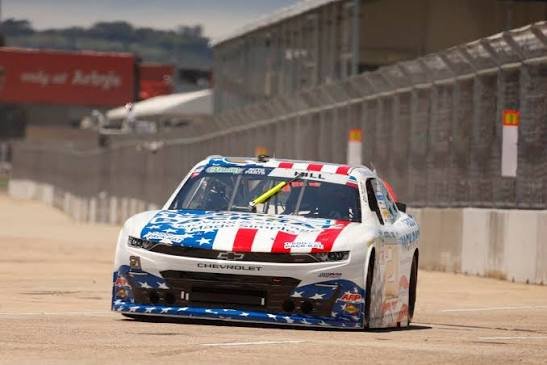
Em meio ao caos, Austin Hill adotou uma abordagem inteligente e consistente. O piloto da Richard Childress Racing não dominou a corrida, mas manteve-se constantemente entre os líderes e conseguiu evitar os problemas que comprometeram muitos de seus adversários.
As voltas finais foram marcadas por sucessivas relargadas e mudanças de posição entre os primeiros colocados. Taylor Gray chegou a assumir o protagonismo em diferentes momentos, enquanto Carson Kvapil demonstrava velocidade suficiente para brigar diretamente pela vitória.
Quando a corrida entrou em sua reta decisiva, Hill aproveitou a oportunidade. Em uma disputa agressiva nas curvas finais, o piloto conseguiu superar Gray após um contato que rapidamente se tornou tema de debate entre equipes e torcedores.
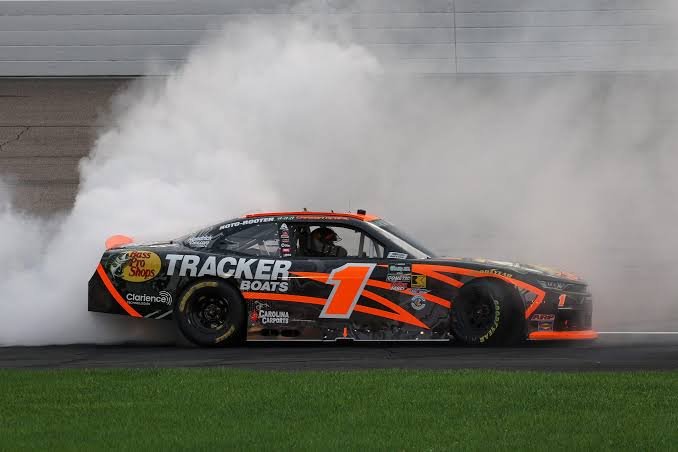
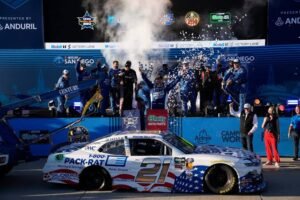
Com a liderança assegurada nos momentos finais, Hill cruzou a linha de chegada em primeiro lugar e garantiu uma vitória histórica, tornando-se o primeiro vencedor da NASCAR O’Reilly Auto Parts Series nas ruas de San Diego.
Destaques de um fim de semana movimentado
Mesmo sem conquistar a vitória, Taylor Gray foi um dos grandes nomes da corrida. O piloto mostrou velocidade, maturidade e capacidade de administrar a pressão em um ambiente completamente novo para a categoria.
Outro destaque foi Carson Kvapil, que mais uma vez demonstrou potencial para competir entre os principais nomes da série. Sua performance reforçou a evolução apresentada ao longo da temporada e o consolidou como um dos jovens talentos mais promissores do grid.
Por outro lado, diversos favoritos deixaram a Califórnia frustrados. Os acidentes e a natureza imprevisível do circuito impediram que vários candidatos ao triunfo tivessem a oportunidade de disputar a vitória até o fim.
San Diego aprovada em seu primeiro teste
Além do resultado esportivo, a estreia da NASCAR em San Diego representou um importante passo para a expansão da categoria. O evento atraiu grande atenção do público, proporcionou imagens impressionantes da Base Naval de Coronado e mostrou o potencial das corridas de rua para alcançar novos fãs.
Embora alguns ajustes ainda sejam necessários para futuras edições, especialmente em questões ligadas à infraestrutura e segurança, a primeira experiência foi considerada um sucesso. O novo circuito entregou entretenimento, imprevisibilidade e momentos memoráveis, elementos que ajudam a consolidar sua posição no calendário.
Conclusão
A primeira corrida da NASCAR O’Reilly Auto Parts Series em San Diego correspondeu às expectativas e entregou uma das provas mais caóticas e emocionantes da temporada. Entre acidentes, bandeiras vermelhas, estratégias variadas e disputas intensas, a corrida manteve os torcedores atentos até os instantes finais.
Em uma tarde na qual sobreviver foi tão importante quanto ser rápido, Austin Hill soube administrar cada situação, evitou os problemas que eliminaram seus rivais e aproveitou o momento decisivo para conquistar uma vitória histórica. Seu triunfo ficará marcado como o primeiro da categoria no circuito urbano de Coronado e como um dos momentos mais emblemáticos da temporada 2026.
Austin Hill Claims Historic Victory in NASCAR O’Reilly Auto Parts Series Debut at San Diego Street Course
The NASCAR O’Reilly Auto Parts Series added a new chapter to its history with its first-ever street race at Naval Base Coronado in San Diego. Surrounded by San Diego Bay and one of the most iconic military facilities in the United States, the temporary circuit delivered a thrilling event filled with accidents, strategic battles, and intense racing right up to the checkered flag.
Expectations had been high since the event was announced. Unlike the traditional tracks on the schedule, the new street circuit demanded precise braking, constant focus, and the ability to avoid the unforgiving walls lining almost every section of the course. The combination of these challenges turned the race into a true test of skill and endurance for both drivers and teams.
A challenge from the very start
Trouble began almost immediately after the green flag. The narrow and technical layout offered little room for mistakes, forcing drivers to find the perfect balance between aggression and caution. Restarts proved particularly challenging, creating side-by-side battles and numerous incidents throughout the field.
As the race progressed, caution flags became a regular occurrence. Minor contacts and off-track excursions eventually escalated into larger accidents, culminating in one of the most dramatic moments of the season. A crash in one of the narrowest sections of the circuit triggered a massive pileup involving approximately 25 cars, completely blocking the track and bringing the race to a halt.
Race officials were forced to display the red flag while crews cleared damaged vehicles and repaired safety barriers. The incident eliminated several contenders and dramatically reshaped the battle for victory.
In addition to the crashes, the event also faced infrastructure-related challenges, including issues caused by a dislodged manhole cover. The situation highlighted the unique difficulties of hosting a major motorsports event on a temporary street circuit.
Austin Hill delivers when it matters most
Amid the chaos, Austin Hill adopted a smart and consistent approach. The Richard Childress Racing driver never completely dominated the race, but he remained within striking distance of the leaders while avoiding the incidents that sidelined many of his competitors.
The closing laps featured multiple restarts and constant position changes among the frontrunners. Taylor Gray emerged as a strong contender throughout the race, while Carson Kvapil showcased the speed needed to challenge for the win.
When the decisive moment arrived, Hill seized his opportunity. In an aggressive battle through the final corners, he managed to overtake Gray following contact that quickly became a topic of discussion among teams and fans.
With the lead secured, Hill crossed the finish line first and became the inaugural NASCAR O’Reilly Auto Parts Series winner on the streets of San Diego.
Key performers beyond the winner
Although he fell short of victory, Taylor Gray was one of the standout performers of the weekend. He displayed impressive speed, maturity, and composure while competing on a completely new type of circuit.
Carson Kvapil also impressed, once again proving he has the talent to compete among the series’ top drivers. His performance reinforced the progress he has shown throughout the season and further established him as one of the most promising young talents in the field.
Meanwhile, several pre-race favorites left California disappointed. The accidents and unpredictable nature of the circuit prevented many contenders from having a realistic chance to fight for the win in the closing stages.
San Diego passes its first test
Beyond the race result itself, NASCAR’s debut in San Diego represented an important step in the series’ continued expansion. The event attracted significant attention, showcased stunning views of Naval Base Coronado, and demonstrated the potential of street racing to reach new audiences.
While improvements can still be made, particularly regarding infrastructure and safety measures, the inaugural event was widely viewed as a success. The circuit delivered excitement, unpredictability, and memorable moments that could help secure its place on future schedules.
Conclusion
The first NASCAR O’Reilly Auto Parts Series race in San Diego lived up to expectations and delivered one of the most chaotic and entertaining events of the 2026 season. Between accidents, red flags, strategic gambles, and fierce battles throughout the field, fans were treated to a ra tcehat remained unpredictable until the very end.
On a day when survival was just as important as speed, Austin Hill executed the perfect race. By staying out of trouble and capitalizing on the decisive opportunity when it appeared, he secured a historic victory that will forever be remembered as the first NASCAR O’Reilly Auto Parts Series triumph on the streets of Coronado.
Por: Ana Elisa
@ana_arquiteturaevelocidade
Tradução: Autoral
Informações/dados: Nascar